Green roofs

Green roofs are vegetated roof systems that contribute to the environmental performance and functional quality of buildings. In commercial, industrial, residential, and public construction, they are increasingly used to address challenges such as stormwater management, urban heat, biodiversity loss, and sustainability requirements.

This page provides an overview of how green roofs work, where they are typically applied in professional projects, and which factors are relevant when planning and implementing them.
Request quote View subsidy

What is a green roof?

A green roof is a roof surface that is partially or fully covered with vegetation installed over a layered system designed to support plant growth while protecting the building structure.

A typical green roof system consists of:

  • a waterproofing and root protection layer
  • drainage and water retention elements
  • a growing medium (substrate)
  • vegetation adapted to rooftop conditions

Green roofs can be installed on flat or low-sloped roofs and are suitable for both new buildings and retrofit projects, subject to structural and technical assessment.

View systems

Types of green roof systems

Extensive green roofs

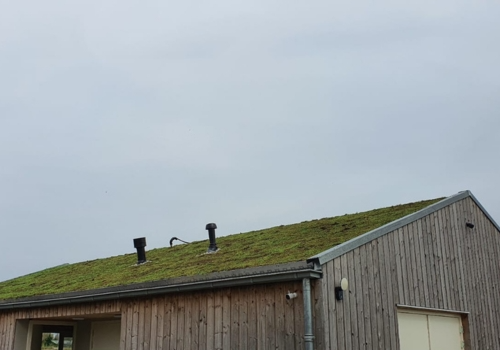
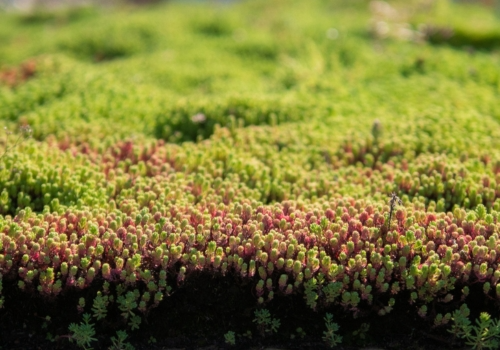
Extensive green roofs have a relatively low build-up height and weight. They typically use drought-resistant vegetation such as sedum, mosses, or grasses and require limited maintenance.

They are commonly used when:

  • structural load capacity is limited
  • low maintenance is a priority
  • large roof areas are involved
  • ecological or regulatory objectives are the main drivers

Intensive green roofs

Intensive green roofs allow for deeper substrates and a wider range of vegetation, including perennials, shrubs, and in some cases small trees. These systems can be designed as accessible spaces and may serve as functional outdoor areas.

They are typically applied when:

  • higher structural loads can be accommodated
  • regular maintenance is planned
  • the roof is integrated into the architectural or user concept

Typical applications in professional projects

Green roofs are used across a wide range of building types:

Commercial & office buildings

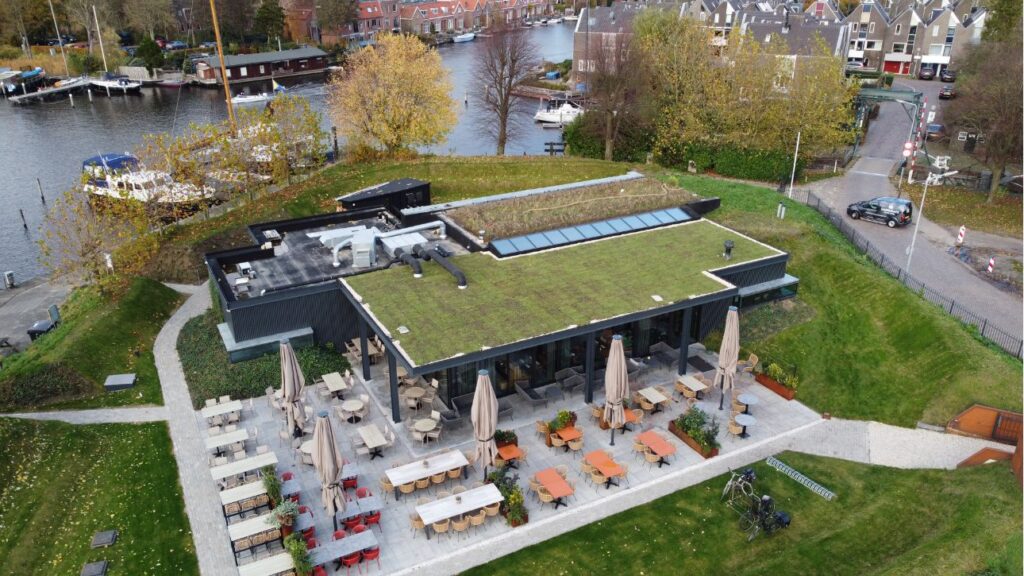
Green roofs are often integrated to support sustainability strategies, improve building performance, and contribute to environmental certifications or ESG objectives.

Industrial & logistics buildings

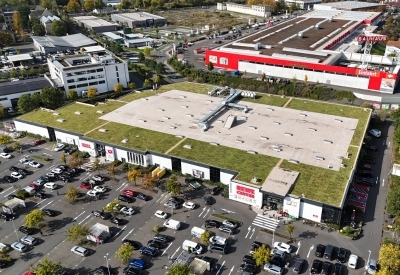
Large roof surfaces make green roofs particularly effective for stormwater management and ecological compensation, often with extensive systems requiring minimal intervention.

Residential multi-unit buildings

In residential developments, green roofs can contribute to improved microclimate, extended roof lifespan, and increased ecological value in dense urban environments.

Public & municipal buildings

Green roofs are frequently part of climate adaptation strategies, urban development policies, and public sustainability initiatives.

Functional contributions of green roofs

Planning & design considerations

When evaluating a green roof for a professional building project, the following aspects should be considered early in the planning process:

  • structural load capacity of the existing or planned roof
  • roof slope, detailing, and drainage design
  • compatibility with waterproofing and insulation systems
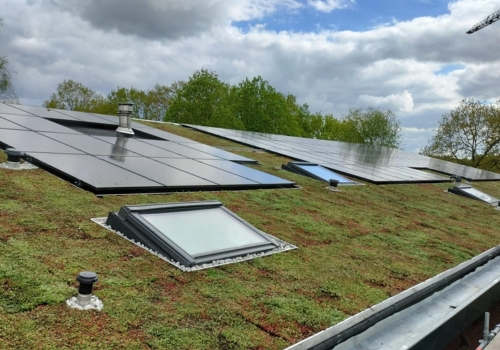
  • integration with photovoltaic installations or roof access
  • long-term maintenance requirements and responsibilities
  • applicable local regulations, standards, and incentive programs

Early coordination between architects, planners, structural engineers, and roofing specialists is essential to ensure technical feasibility and long-term performance.

Green roofs compared to conventional roof systems

Maintenance & long-term performance

All green roofs require maintenance to ensure proper function and healthy vegetation. The scope and frequency depend on system type, plant selection, and site conditions.

Long-term performance is closely linked to:

  • appropriate system selection
  • professional installation
  • regular inspection and care

Clear maintenance planning is therefore an integral part of green roof implementation.

Frequently Asked Questions

We receive many legitimate questions concerning green roofs from our customers. Perhaps you have the same question. Read our answer below!

The weight of a green roof varies by package and construction. The weight is mainly determined by the substrate layer and has to do with the amount of water a green roof can hold. On average, a green roof weighs 45 to 100 kilos per square meter.

A green roof does not require much maintenance. We recommend fertilizing the green roof in the spring and fall. Furthermore, it is important to keep the drains clear at all times.

Whether your roof is suitable depends on the condition of the roofing and the construction of the roof. Check this carefully before purchasing a green roof. Our advisors can assist you with this.

Yes, it is possible to walk on a green roof. The plants are resilient and can handle our weight. However, it is important not to do this too often. Our advice is therefore to only walk on the roof for maintenance purposes, for example.

FAQ Green Roof

Professional support & further information

Green roofs form part of a broader building and urban systems approach. Their successful integration depends on informed planning, realistic expectations, and proper execution.

For projects requiring technical guidance or feasibility assessment, professional consultation can help align ecological objectives with structural, regulatory, and operational requirements.

Get in touch with our green roof experts for questions or a free consultation!

Send an e-mail Call us